

Do you ever wake up from a dream of being pregnant, only to realize you’re far from expecting a baby? You’re not alone. Pregnancy dreams in non-pregnant women have long been a perplexing phenomenon. In this article, we unravel the mystery behind these vivid dreams and explore their possible meanings.
As human beings, our dreams often reflect our deepest desires, fears, and emotions. Pregnancy dreams, in particular, can be symbolic of new beginnings, creativity, or a desire for change. They may also represent a need for nurturing or a longing for a closer connection with our bodies.
Through in-depth analysis and expert insights, we’ll delve into the various factors that can influence pregnancy dreams in women who are not pregnant. From hormonal fluctuations to subconscious desires, we’ll explore the psychological and physiological aspects that play a role in these intriguing nocturnal visions.
Whether you’ve had one of these dreams yourself or simply find them fascinating, join us as we journey through the realm of pregnancy dreams in non-pregnant women. Gain a deeper understanding of the hidden meanings behind these enigmatic imaginings, and uncover the truths they hold within.
What are pregnancy dreams?
Dreams have fascinated humans for centuries, with their ability to transport us to different worlds and experiences. Pregnancy dreams, in particular, have captured the attention of many. But what exactly are pregnancy dreams? These dreams involve scenarios where the dreamer is pregnant, experiencing the physical and emotional aspects of pregnancy, despite not being pregnant in reality. They can be incredibly vivid and realistic, leaving the dreamer with a lingering sense of confusion upon waking up.
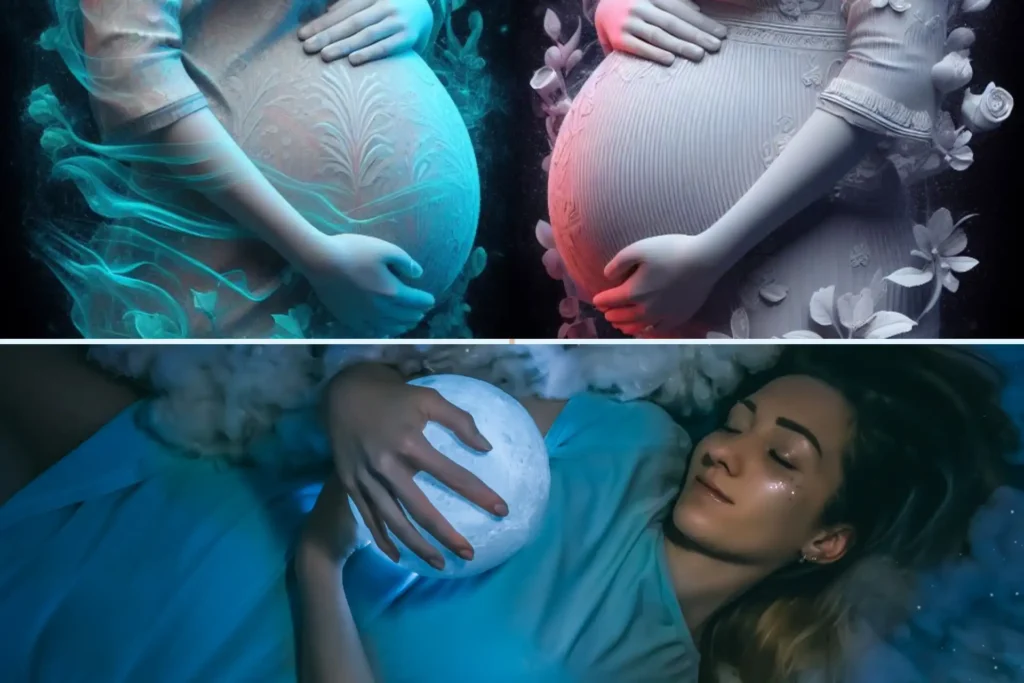
The content of pregnancy dreams can vary greatly from person to person. Some dream of giving birth to a healthy baby, while others may dream of complications or even miscarriages. The dreams may also revolve around the stages of pregnancy, such as feeling the baby kick or preparing for labor. Regardless of the specific details, pregnancy dreams often evoke strong emotions and leave a lasting impression on the dreamer.
Common themes and symbols in pregnancy dreams
In the world of dreams, symbols play a significant role in conveying deeper meanings. Pregnancy dreams are no exception, as they often contain recurring themes and symbols that hold significance. These symbols can provide valuable insights into the dreamer’s subconscious thoughts and emotions.
One common theme in pregnancy dreams is the concept of new beginnings. Pregnancy is often associated with the birth of something new, whether it be a new life, a new phase of personal growth, or the start of a creative project. The dreamer may be on the brink of embarking on a new chapter in their life, and their subconscious mind is using pregnancy as a symbolic representation of this transition.
Another prevalent symbol in pregnancy dreams is the idea of nurturing and caring for something or someone. Pregnancy involves the physical nurturing of a growing baby, and this can reflect the dreamer’s desire for nurturing and caring for themselves or others in their waking life. It may indicate a need for self-care, self-love, or a longing for deeper connections with loved ones.
Psychological interpretations of pregnancy dreams
To truly understand the meaning behind pregnancy dreams, it is essential to explore the psychological interpretations that underlie them. Dreams are believed to be windows into our subconscious minds, revealing hidden desires, fears, and emotions.
For some women, pregnancy dreams can represent a desire for motherhood. Even if they are not actively trying to conceive, the dream may be a manifestation of their deep-rooted longing to become a mother. It could be a reflection of their desire to experience the joys and challenges of raising a child.
On the other hand, pregnancy dreams can also symbolize a fear of change or the unknown. Pregnancy is a time of immense transformation, both physically and emotionally. The dreamer may be facing significant changes in their life and may feel overwhelmed or uncertain about what lies ahead. The dream could be a way for their subconscious mind to process these fears and emotions, providing an opportunity for self-reflection and growth.
Cultural and societal influences on pregnancy dreams
Our dreams are not isolated from the cultural and societal influences that shape our waking lives. The expectations and norms surrounding pregnancy in a particular culture can seep into the dream world, influencing the content and interpretations of pregnancy dreams.
Pregnancy dreams may carry a sense of joy and fulfillment in societies where motherhood is highly valued and celebrated. The dreamer may feel a sense of pride and accomplishment in their dream, reflecting the cultural emphasis on motherhood as a significant life event. Conversely, in cultures where motherhood is not as highly regarded or where it may be seen as a burden, pregnancy dreams may evoke feelings of anxiety or even dread.
The media and popular culture also play a role in shaping our dreams. Movies, TV shows, and books often portray pregnancy as a transformative and life-changing experience. These portrayals can impact our subconscious minds, leading to pregnancy dreams that mirror the narratives we have been exposed to. The dreamer may find themselves living out scenarios similar to those they have witnessed in the media, further highlighting the influence of external factors on their dreams.
Possible explanations for pregnancy dreams in non-pregnant women
While pregnancy dreams in non-pregnant women may seem perplexing, there are several possible explanations for their occurrence. Hormonal fluctuations, stress, and other physiological and psychological factors can all contribute to the manifestation of these dreams.
Hormonal changes in the body can affect sleep patterns and the content of dreams. Fluctuations in hormones, such as estrogen and progesterone, can influence the brain’s activity during sleep, leading to more vivid and memorable dreams. These hormonal changes may be particularly pronounced during certain phases of the menstrual cycle, resulting in an increased likelihood of pregnancy dreams in non-pregnant women.
Stress and anxiety can also play a significant role in the occurrence of pregnancy dreams. Stressful events or ongoing life challenges can trigger intense emotions and thoughts related to pregnancy. The dreamer’s subconscious mind may use pregnancy as a metaphor for the stress and pressure they are experiencing, providing a platform for processing these emotions.
Additionally, personal experiences and past traumas can shape the content of pregnancy dreams. For women who have experienced pregnancy loss or infertility, pregnancy dreams can be a way for their subconscious mind to process unresolved emotions and desires. The dream may be a form of emotional healing, allowing the dreamer to explore their feelings in a safe and symbolic space.
The role of hormones and biological factors in pregnancy dreams
Hormones and biological factors are intricately linked to our dreams, including pregnancy dreams. The female reproductive system is governed by a complex interplay of hormones, which can influence the content and frequency of these dreams.
During the menstrual cycle, hormone levels fluctuate, affecting the brain’s activity during sleep. Estrogen, progesterone, and other hormones can impact the vividness and emotional intensity of dreams. The days leading up to ovulation and menstruation, in particular, are associated with hormonal shifts that may increase the likelihood of pregnancy dreams in non-pregnant women.
Furthermore, the brain regions responsible for emotions and memory, such as the amygdala and hippocampus, are closely connected to the hormonal system. Hormonal changes can impact the functioning of these brain regions, leading to heightened emotional experiences and the formation of vivid dreams. This intricate relationship between hormones and the brain sheds light on why pregnancy dreams can feel so real and emotionally charged.

Case studies and personal experiences of pregnancy dreams
To gain a deeper understanding of pregnancy dreams in non-pregnant women, let’s explore some real-life case studies and personal experiences. These accounts offer a glimpse into the diverse emotions and interpretations associated with pregnancy dreams.
Case Study 1:
Emily, a 32-year-old woman, had been trying to conceive for over a year without success. She started having recurring dreams of being pregnant, where she would feel the baby moving and even hear its heartbeat. Despite the overwhelming joy she felt in her dreams, Emily would wake up feeling a deep sense of sadness and longing. Through therapy, Emily discovered that her dreams were a reflection of her desire to become a mother and the emotional rollercoaster she was experiencing due to infertility.
Case Study 2:
Sarah, a 25-year-old woman, had recently started a new job that demanded long hours and high levels of stress. She began having pregnancy dreams where she saw herself giving birth to multiple babies. These dreams left her feeling overwhelmed and anxious. Upon further exploration, Sarah realized that her dreams were a manifestation of her fear of not being able to handle the demands of her new job and the pressure to excel in multiple areas of her life simultaneously.
These case studies highlight the deeply personal and subjective nature of pregnancy dreams. Each dreamer brings their unique set of experiences, fears, and desires to their dreams, resulting in a rich tapestry of emotions and interpretations.
Tips for interpreting and understanding pregnancy dreams
Interpreting dreams is a highly personal and subjective process. However, some general tips can help you gain insight into the meaning behind your pregnancy dreams.
1. Keep a dream journal: Recording your dreams immediately upon waking can help you remember the details and emotions associated with them. Over time, patterns and recurring symbols may emerge, providing clues to their underlying meanings.
2. Reflect on your waking life: Consider the events, emotions, and challenges you are currently experiencing in your waking life. How do they relate to the themes and symbols in your dreams? Identifying connections between your dreams and real-life experiences can offer valuable insights into their significance.
3. Seek professional guidance: If you find it challenging to interpret your dreams or need additional support, consider consulting with a therapist or dream analyst. These professionals can provide guidance and help you navigate the complex landscape of your dreams.
4. Trust your intuition: Ultimately, you are the best interpreter of your dreams. Pay attention to your gut feelings and intuition when deciphering the meanings behind your pregnancy dreams. Trust yourself and the wisdom of your subconscious mind.
Conclusion – The significance of pregnancy dreams in non-pregnant women and their potential meanings
Pregnancy dreams in non-pregnant women are a captivating phenomenon that has intrigued and puzzled dreamers for generations. Through the lens of psychology, biology, and personal experiences, we have delved into the various factors that can influence these dreams and explored their possible meanings.
Whether you believe that pregnancy dreams hold profound symbolism or view them as mere products of our subconscious minds, there is no denying their impact on the dreamer. These dreams provide a unique opportunity for self-reflection, emotional exploration, and personal growth.
So, the next time you find yourself immersed in a pregnancy dream, take a moment to reflect on its possible meanings. Embrace the messages it may hold within and use them as a catalyst for self-discovery and understanding. After all, dreams have a way of revealing the truths we may be hesitant to confront in our waking lives.
FAQs
FAQ 1: What is pseudocyesis?
Answer: Pseudocyesis, also known as false pregnancy, is a rare condition in which a person experiences many of the symptoms of pregnancy despite not being pregnant.
FAQ 2: What are the common symptoms of pseudocyesis?
Answer: Common symptoms include missed periods, weight gain, nausea, breast tenderness, and even feelings of fetal movement.
FAQ 3: Can a non-pregnant woman have a positive pregnancy test with pseudocyesis?
Answer: Yes, a non-pregnant woman can have a positive pregnancy test due to the hormonal changes in her body.
FAQ 4: What causes pseudocyesis?
Answer: The exact cause of pseudocyesis is not fully understood, but psychological factors and hormonal imbalances may play a role.
FAQ 5: How is pseudocyesis diagnosed?
Answer: Pseudocyesis can be diagnosed through a combination of physical exams, blood tests, and imaging studies to rule out other potential causes for the symptoms.
FAQ 6: Is treatment available for pseudocyesis?
Answer: Treatment options may include counseling, therapy, and addressing any underlying psychological or emotional issues that may be contributing to the condition.
FAQ 7. Can pseudocyesis affect fertility or future pregnancies?
Answer: Pseudocyesis does not typically affect fertility or future pregnancies once the condition has been resolved.
FAQ 8. Where can I find support for dealing with pseudocyesis?
Answer: Support groups and mental health professionals can provide valuable support and guidance for individuals experiencing pseudocyesis.